Ways to Homestead in an Apartment
Building Skills, Food Security, and Community Without Land

There are a lot of misconceptions about what homesteading is – and what it isn’t; what’s required, and what’s not.
There are two main misconceptions I would like to address.
First, you don’t need land in order to start homesteading. Homesteading is a skillset, not a zipcode.
Second – and arguably most important – homesteading was never meant to be a perpetual do-it-yourself, exclusively independent lifestyle.
Many people envision homesteading as something out of Little House on the Prairie, where families did everything in isolation. But if you remember the story, that season of isolation was their beginning – not their forever.
For many families, homesteading began as a bootstrapping phase. But that was never the goal. The goal was community.
Homesteading was meant to be lived within a community of interdependent individuals and families – where skills, labor, and resources are shared.
Once you understand that, apartment homesteading stops feeling like a contradiction – and starts feeling like preparation.
Now that we’ve eliminated the two most important misconceptions, let’s explore the ways you can homestead in an apartment.
Feel free to skim over the table of contents and click on the different headings there to go directly to the topics that interest you most.
Skill Building
Skill building is the foundation of homesteading. These are the skills that follow you no matter where you live – and compound over time.
You don’t have to wait until you have land to learn these skills. In fact, starting now will make the transition to your future homestead far less overwhelming, because you will have some of these skills already.
Cooking from Scratch
Learning to cook from scratch with simple ingredients is fundamental to homesteading. Unfortunately, this is not a skill that is taught in many homes or schools anymore, which means a lot of high school graduates and young adults leave home without knowing how to cook for themselves, let alone multiple people.
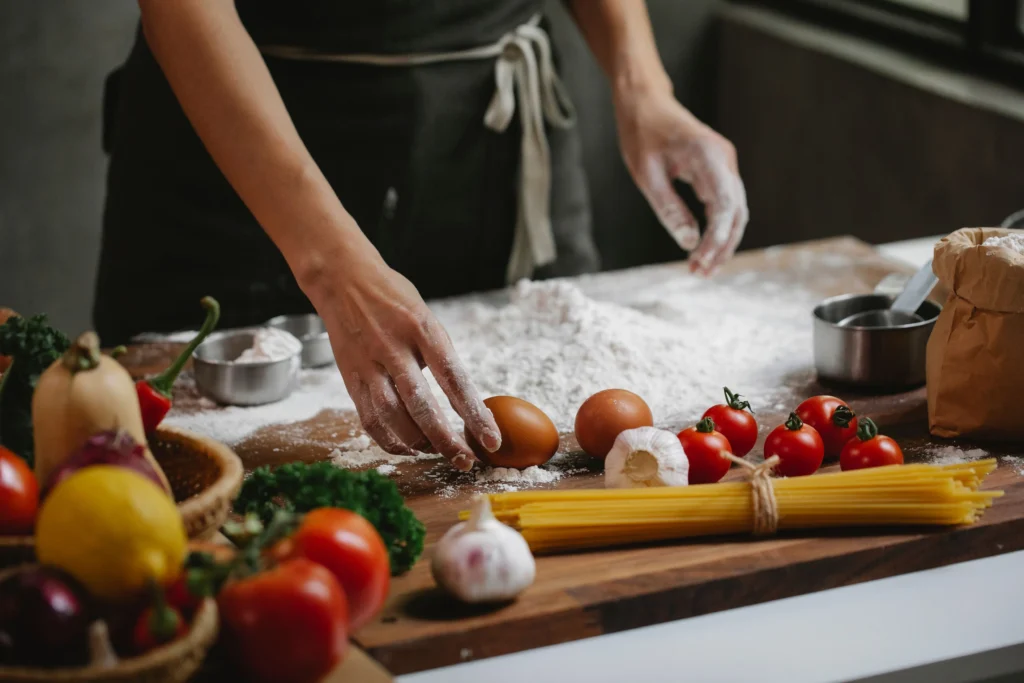
Start by replacing instant, prepackaged foods with simple mix-and-match meals that you can make at home.
For example, instead of hamburger helper, combine ground beef with fresh or fried herbs and salt, make a gravy with a bit of einkorn flour and that leftover bone broth or meatstock from the stew you made the other night, and serve over some einkorn noodles – now you have homemade beef Stroganoff.
Make a big pot of rice in the instant pot and use that as a base to serve with meat and veggies for a taco or poké bowl.
Add eggs to any meal for additional fat and protein, especially breakfasts that would otherwise be carbohydrate heavy. This will increase the nutrient density of your meals so you avoid that afternoon wave of fatigue and irritability.
Finally, learn to cook different cuts of meat. Whether you hunt or buy meat in bulk, understanding how to use the whole animal ensures nothing goes to waste.

Sourdough & Naturally Fermented Foods
Our ancestors knew that fermented foods were easier to digest. Fermentation breaks down sugars and nutrients, making them more bioavailable – it also diversifies and strengthens the gut microbiome.
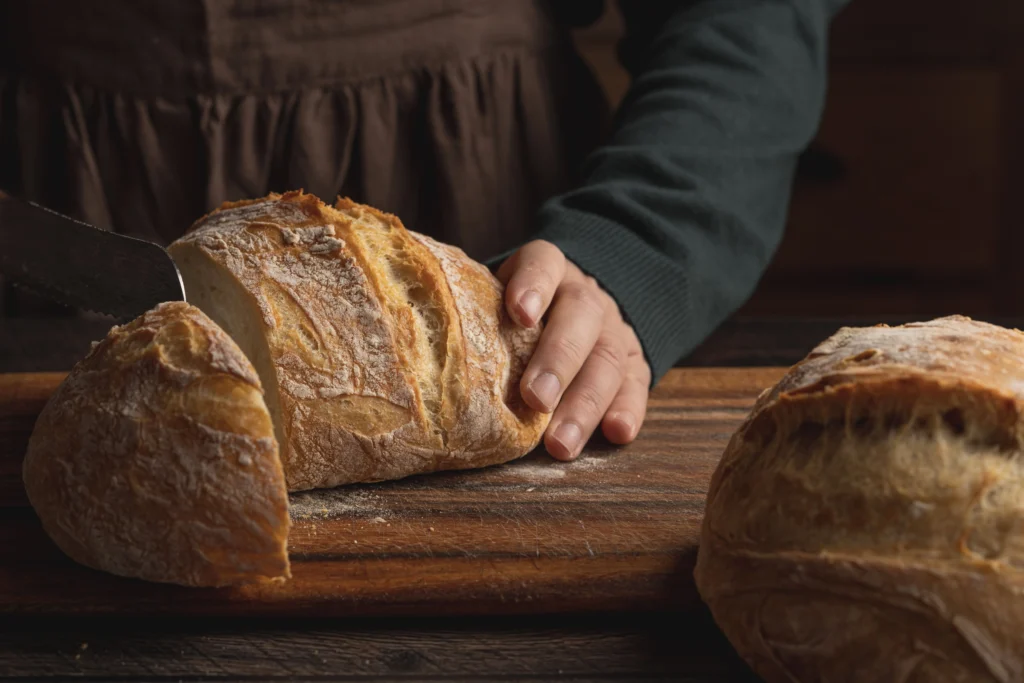
Adding fermented foods to your diet provides essential prebiotics and probiotics that help build a healthy gut.
Some fermented foods you can make at home include sourdough bread and baked goods, sprouted grains, raw milk kefir and yogurt, water kefir or ginger bug soda, and pickled vegetables made in a salt brine solution (think kimchi and sauerkraut).
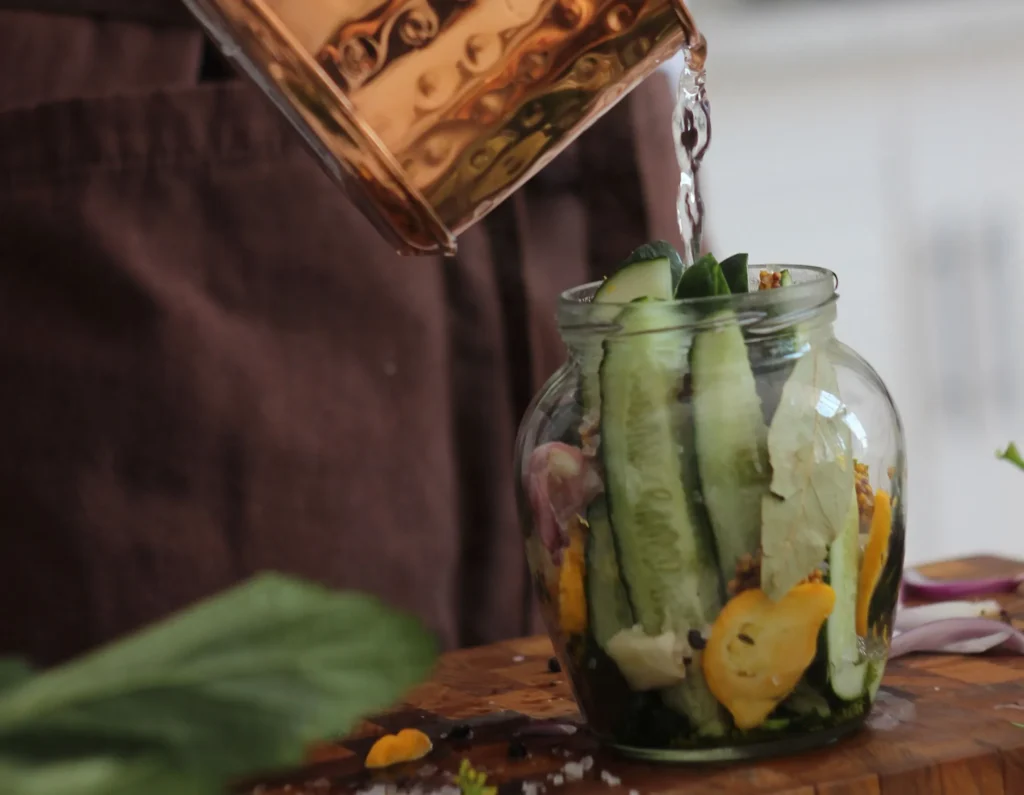
Learning to make these foods at home not only improves your gut health, it also helps restore the ancestral wisdom and practices of self-sufficiency – wisdom you can pass on to future generations.
Fresh-Milled Grains at Home
Fresh Milled grains are heartier and more nutrient dense than pre-ground or all purpose flour. Milling your own grain at home will give you greater control of freshness and nutrient quality.
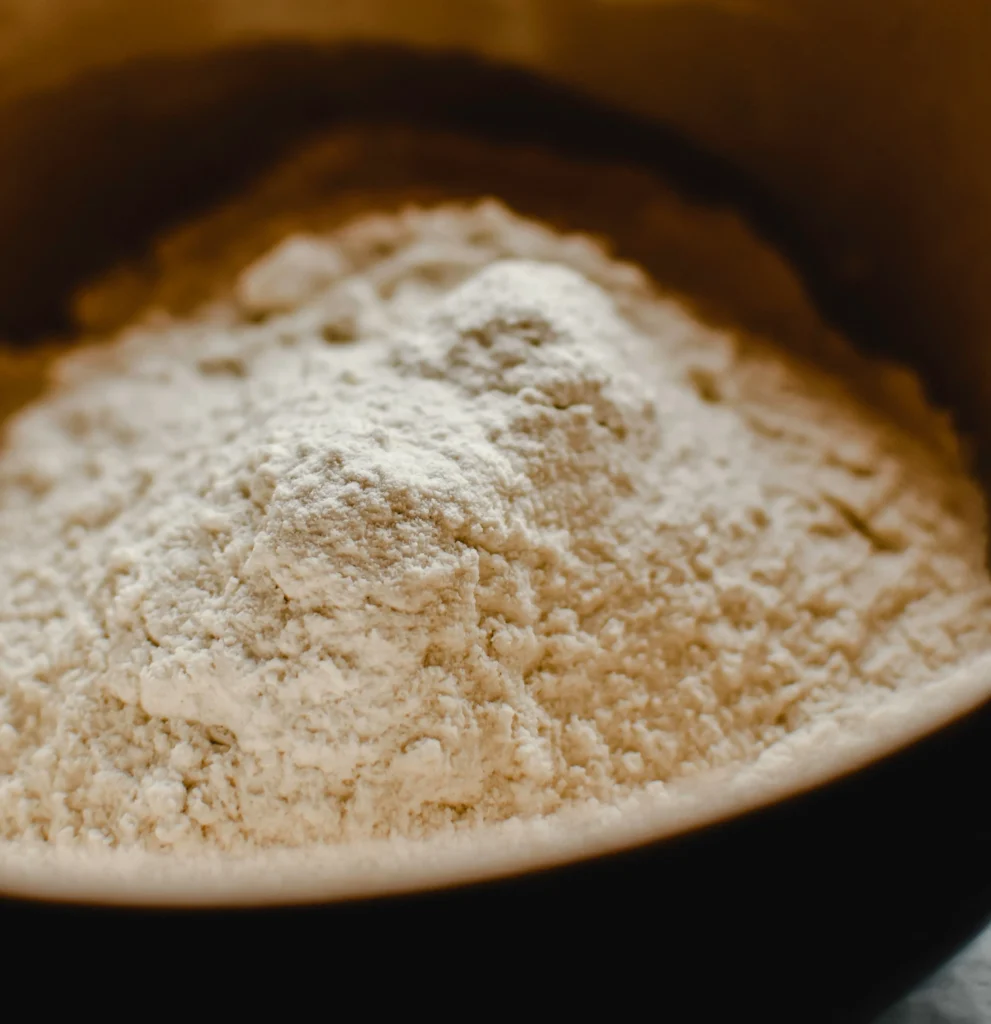
Regardless of whether it’s bleached and “enriched” all purpose flour, or organic whole wheat, pre-ground and store-bought flour loses a significant amount of nutrient density the longer it sits on the shelf.
Wheat berries, on the other hand, are easy to store and have a very long shelf life. You can buy them in bulk 5-gallon containers or smaller paper bags that are more apartment-friendly.
I buy whole, organic einkorn wheat berries from Grand Teton Ancient Grains. They also offer a variety of other types of grain, with options to buy wheat berries or preground flour.
If you’re trying a grain for the first time, I recommend starting with a small bag of pre-ground flour. Once you know you like the taste and consistency, you can confidently switch to milling the wheat berries at home.
Food Preservation
Learning to preserve food at home is a cornerstone of homesteading. It allows you to extend the shelf life of your ingredients, reduce waste, and build confidence in your ability to manage a steady food supply – even in an apartment.
Canning
Canning is a great way to store fruits, vegetables, soups, and sauces for months or even years.
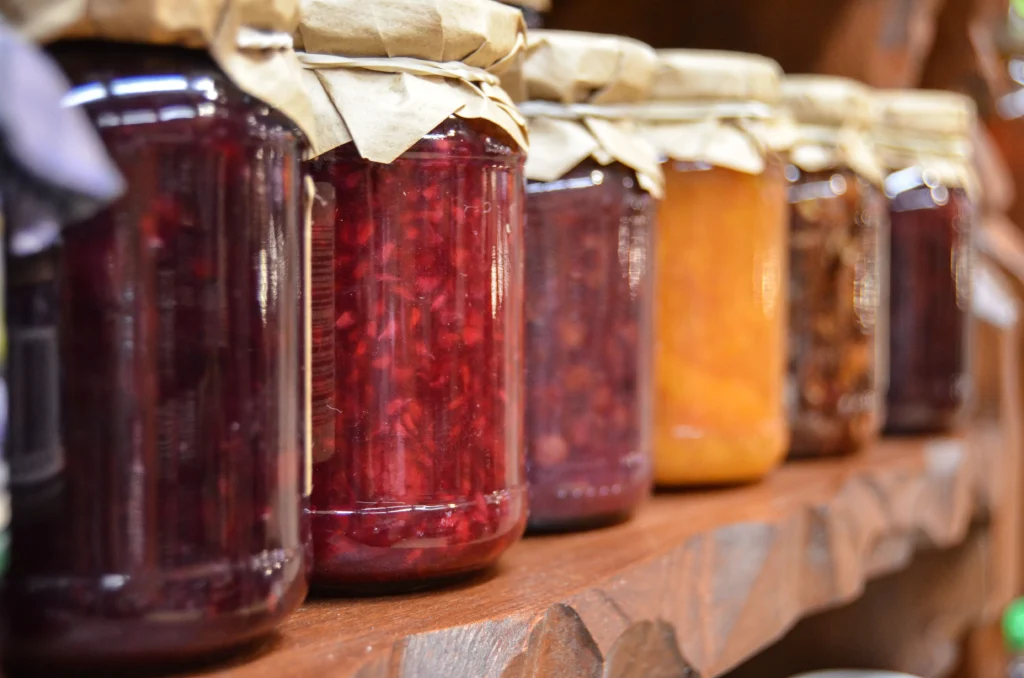
There are 2 main types of canning: pressure canning and water-bath canning. Water-bath canning works well for high-acid foods like tomatoes and jams, while pressure canning is necessary for low-acid foods like beans and meats.
Even a few jars to stock your shelf can give you the security of homemade, nutrient-rich foods without any unnecessary additives.
Fermenting
Fermentation transforms foods into gut-friendly, flavorful staples like sauerkraut, kimchi, pickles, yogurt, and kefir. It’s a hands-on way to connect with your food while supporting digestion and boosting the microbiome.

In my opinion, the easiest ferment to start with is milk kefir. It’s low maintenance, full of live probiotics, and resilient – you can even store it in the fridge without touching it for months.
The next simplest ferment would be sauerkraut. All you need is cabbage and salt. Chop up your cabbage, add your salt, and mix by hand or in a food processor. The salt will pull water from the cabbage, creating its own brine. Put a weight on the top of the cabbage to keep it immersed in the brine. Let the cabbage ferment in a glass jar on the counter – anywhere from 5 days to 4 weeks (depending on how hot or cold it is in your home, as well as how strong of a flavor you prefer). You’ll be left with a delicious, tangy sauerkraut that’s better than anything you could get at the store.
Dehydrating
Dehydrating is a food preservation method that works by slowly removing moisture using low heat and airflow. With most of the water gone, bacteria and mold can’t grow, allowing food to be stored much longer than fresh.
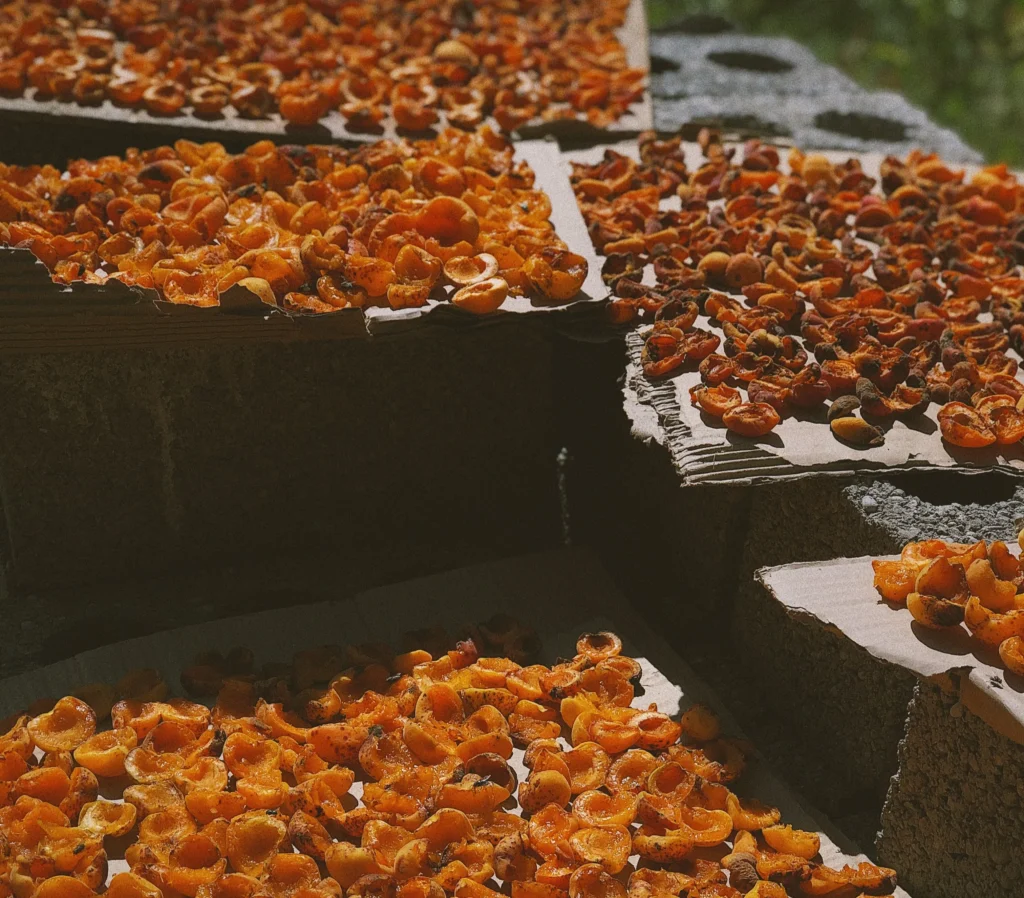
This method is especially well-suited for apartment homesteading because it requires minimal space, affordable equipment, and very little ongoing energy use. A countertop dehydrator – or even an oven on low heat – can transform fresh foods into shelf-stable snacks and pantry staples. Once you get the hang of it, you can prepare snacks, ingredients, and emergency food supplies with very little waste.
Dehydrated foods become lighter, smaller, and more concentrated in flavor, making them ideal for everyday use. In an apartment, you can easily dehydrate items like fruit slices, fruit leather, herbs, beef jerky, vegetable chips, and even dehydrated sourdough starter for long-term storage or family trips.
You can even dehydrate sourdough starter to keep as backup or share with friends and family.
Dehydrating is best for foods you plan to snack on, cook with, or rehydrate later, and for homesteaders who want a low-cost, low-commitment way to preserve food.
Freeze Drying
Freeze drying preserves food through a completely different process. Food is first frozen solid, then placed under a vacuum where the ice sublimates – turning directly from ice into vapor without passing through a liquid stage. This removes nearly all moisture while maintaining the food’s structure.
The result is a product that keeps its shape, color, flavor, and nutritional value far better than dehydration. Freeze-dried foods rehydrate quickly and closely resemble their fresh form once reconstituted, making this method ideal for long-term storage and emergency preparedness.
Freeze drying works well for foods that don’t dehydrate as successfully, such as eggs, dairy, cooked meals, and delicate fruits. You can even freeze dry sourdough starter, preserving it almost exactly as it was when active.
That said, freeze dryers are a significant investment and take up more space than most apartment dwellers can spare. Because of this, many people choose to borrow, rent, or access freeze dryers through friends, local co-ops, or community homesteading groups rather than owning one outright.
Freeze drying is a great option for those focused on long-term food security, nutrient preservation, and emergency storage, even in small-space living.
Food Security in an Apartment
Gardening
Cultivating a garden, even when you don’t have much space, will help you learn valuable skills and give you more control over how your food is grown and prepared, even if you’re only able to grow a small portion.
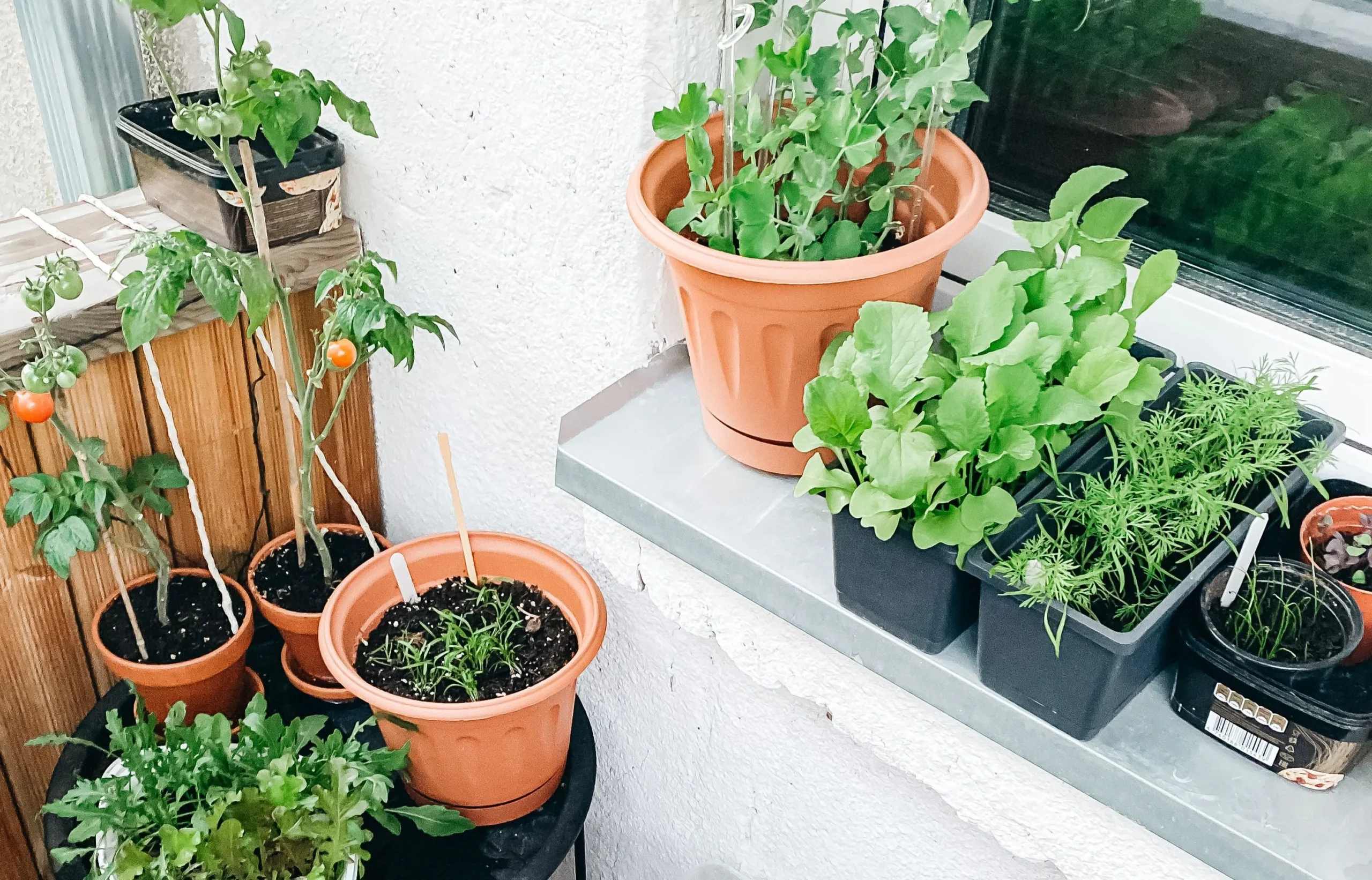
There are lots of ways to garden in an apartment, and you can do as much or as little as you like.
Container Garden
Growing food in individual pots is a viable option for apartment dwellers because it requires little space and doesn’t alter or damage the rental property. Even if you have very little space or sunlight, most apartment dwellers are still able to at least grow a small herb garden.
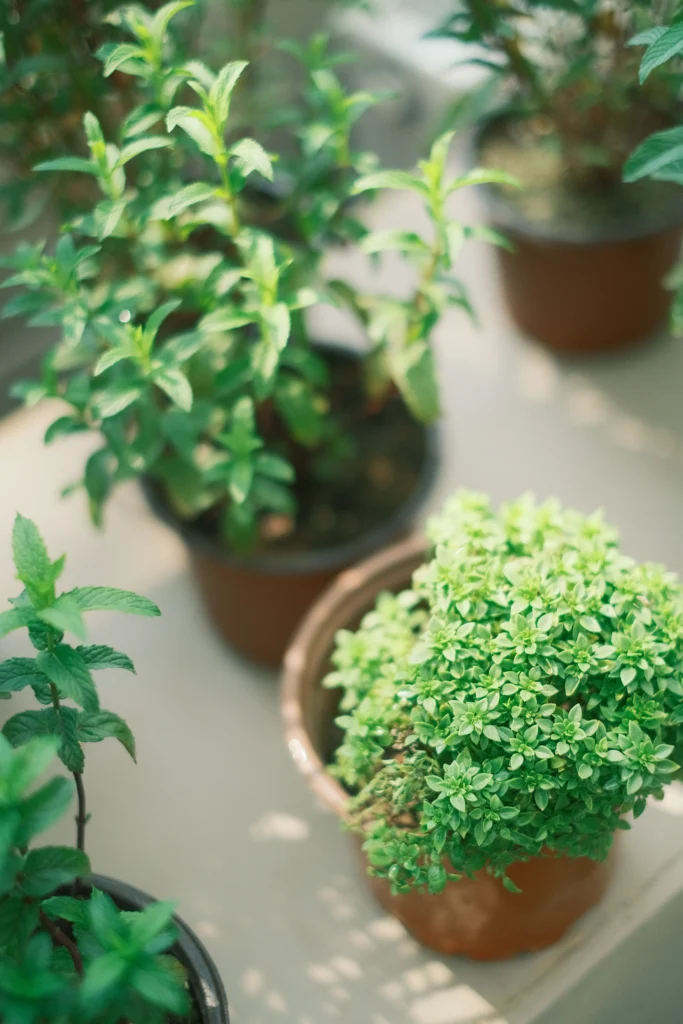
If you have a window sill, a balcony, porch, or even access to some grass, then you can grow a container garden.
Depending on the space you have available and your access to natural light, certain plants may do better in your container garden than others.
For example, if your balcony or porch gets full sun, you can grow tomatoes and peppers very well in a container. Partial sun on your porch or in your window is a great place to start a small herb garden. Additionally, you can grow dwarf fruit trees and even berry bushes in medium to large pots. Some are shade tolerant, and others require full sun.
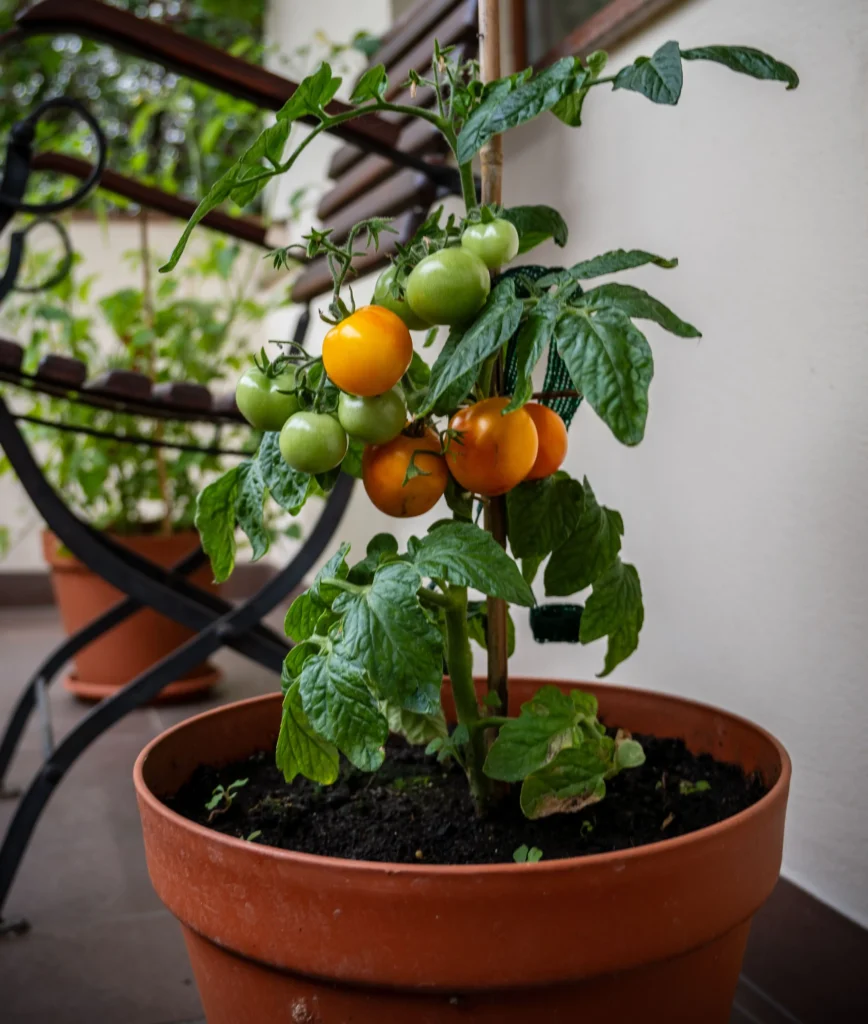
Do some sun mapping in the areas you want to use for your garden to get a better idea of how many hours of sun that area gets in a day before you decide which plants to select and grow where.
Community Garden
For those who have little sun at their apartment or want to grow more than what they could in containers, a community garden is a great option.
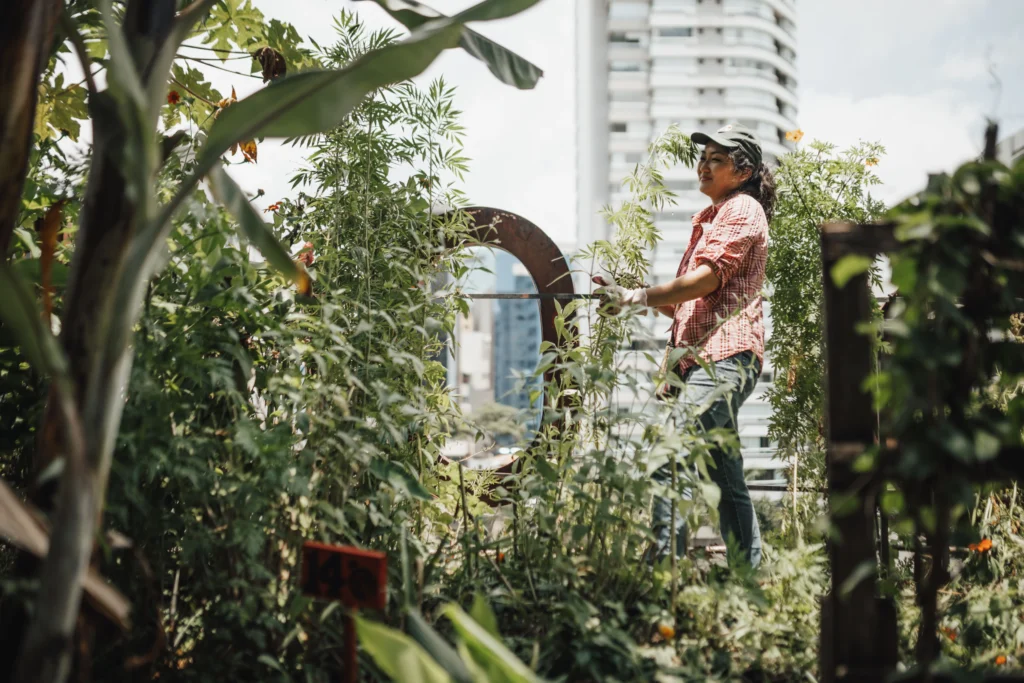
You can look for a community garden in your city, or start one if you find that this is something your community lacks.
Typically, you can request that an unused parcel of city owned land be dedicated as community garden space. The city can then dedicate that land for community use and even approve a budget to get the project started.
This gives you more space to grow food, as well as the benefit of planting it directly in the ground vs in a container.
Sourcing Food Locally
Sourcing food locally is a great way to help support and build your local economy while also gaining food security and independence separate from the modern food systems of today.
If you know your local farmer, you’re a lot less likely to go hungry than people who rely on the grocery stores when the truckers go on strike or the next natural disaster or “pandemic” takes place.
Farmer’s Market
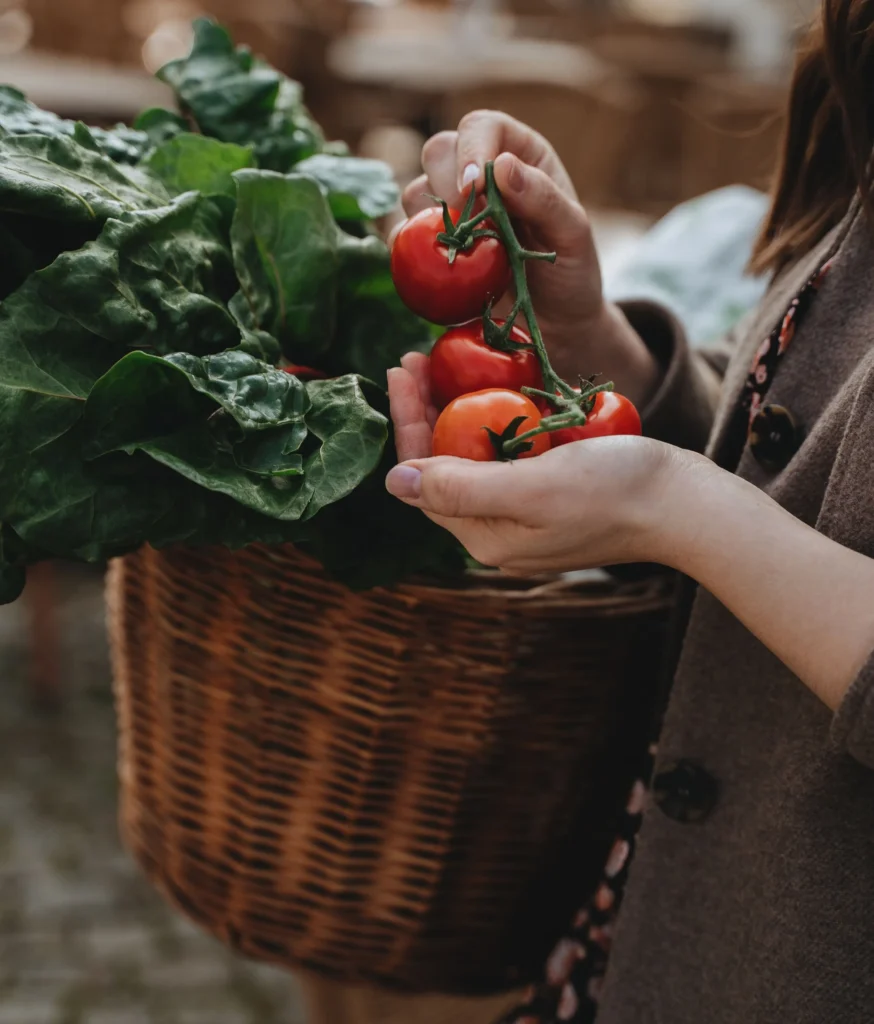
Farmer’s markets are one of the best places to source high-quality produce, eggs, meat, local honey, and baked goods. Because farmers and producers sell directly to consumers, you have the rare opportunity to meet the people growing and making your food face to face.
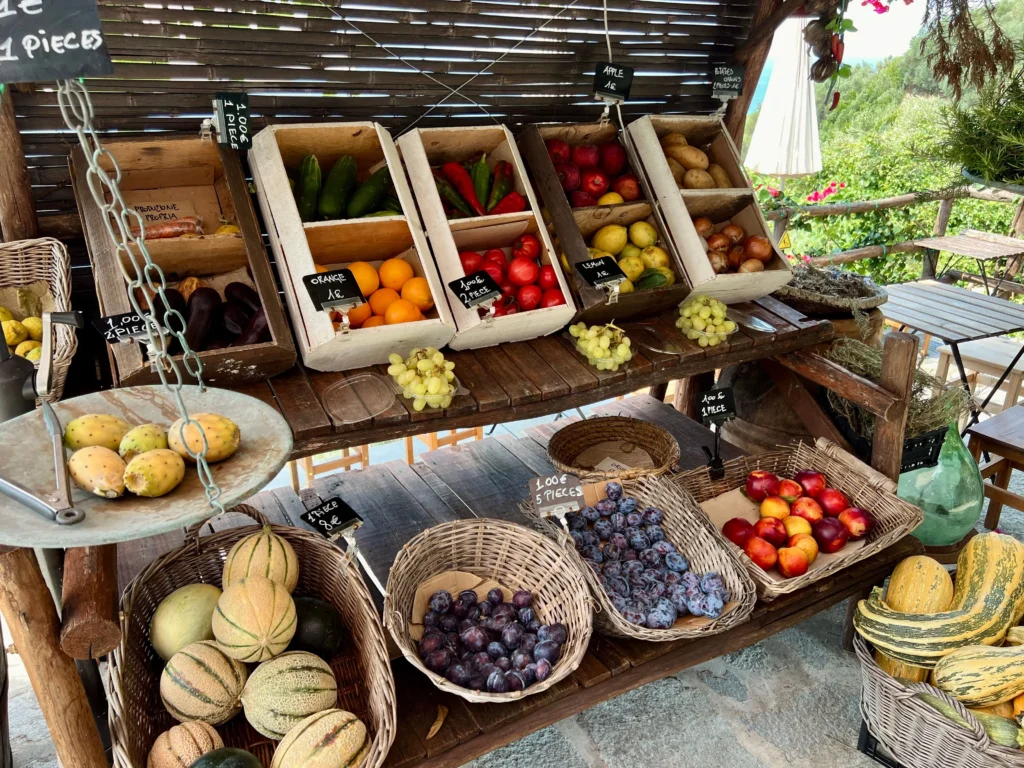
This direct connection allows you to ask meaningful questions about growing and feeding practices, ingredient sourcing, and sustainability methods – questions that are often impossible to answer when shopping at a grocery store.
If you’re looking for produce that hasn’t been sprayed with synthetic chemicals, meat that is truly pasture raised, beef that is truly grass fed and grass finished, eggs from chickens raised on pasture and fed a truly non-GMO, corn and soy free diet, or sourdough bread and baked goods made exclusively with organic ingredients, the farmer’s market is often the first – and best – place to look.
While grocery stores offer organic options, these labels can be misleading. USDA organic regulations still allow certain chemical spraying within approved limits, meaning organic produce may be only marginally better than conventional unless it’s clearly labeled as regenerative or never sprayed.
Similarly, “grass-fed” beef does not necessarily mean grass-finished, nor does it guarantee that the pasture itself is free from pesticide use. Organic chicken sold in stores is still typically processed using a chlorine rinse (unless specifically labeled as “air chilled”), and store-bought “pasture-raised” eggs still come from chickens fed GMO corn and soy, with yolks artificially colored to make them appear more nutrient-dense.
At a farmer’s market, you can ask these questions directly and make informed choices – supporting local food systems that align with your values while sourcing fresher, more transparent ingredients.
Farm Stands
Local farm stands are a great place to find sourdough and other baked goods, fresh eggs, produce, raw honey, and (depending on your state) raw milk.
Farm stands are independent operations run by local farmers and producers, but typically without much hands-on management.
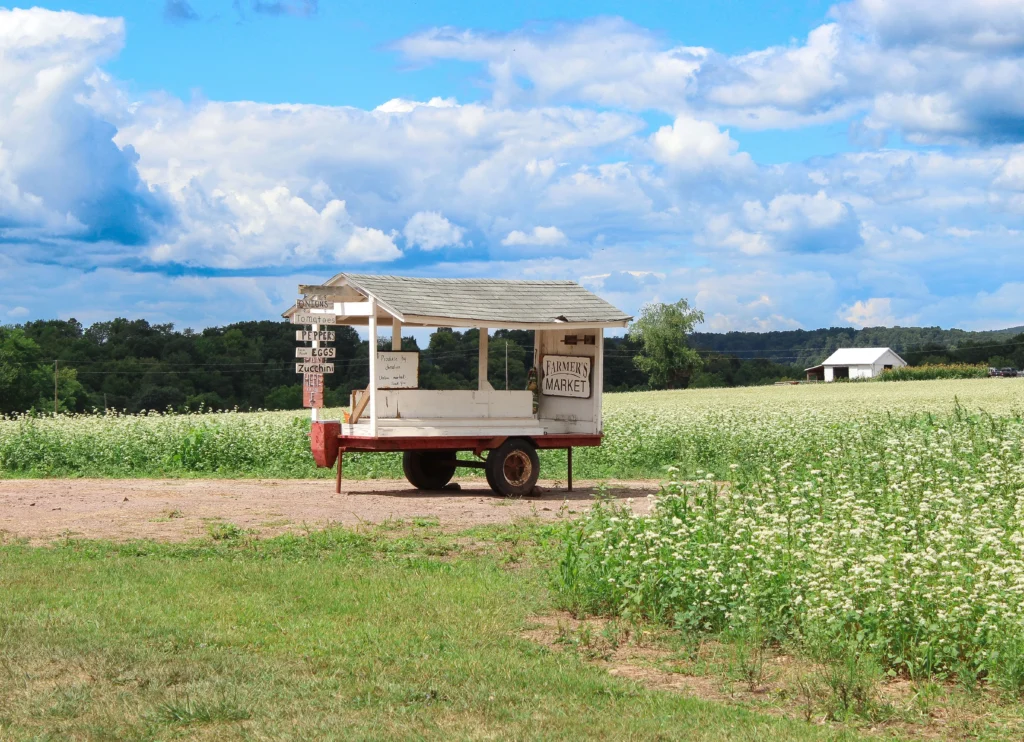
You can find these roadside stands on county roads and on the side of rural highways. Most allow you to pay in cash, and they usually have a QR code for you to scan to pay through venmo or PayPal as well.
Since these operations are local and run on a different schedule than the typical farmer’s market, they often offer a text opt-in to update you on opening days and hours, menus/inventory, and special sales.
In addition to receiving updates from the farm stand, signing up for text updates gives you a point of contact where you can ask questions concerning agricultural practices, sustainability methods, and ingredient sourcing as well.
Direct-to-Consumer Farms
Many farmers are transitioning to selling direct to consumer rather than through a third party like big box grocery stores. This allows them to keep more of their profits and even adopt more organic and regenerative practices on their farms and ranches if they choose.
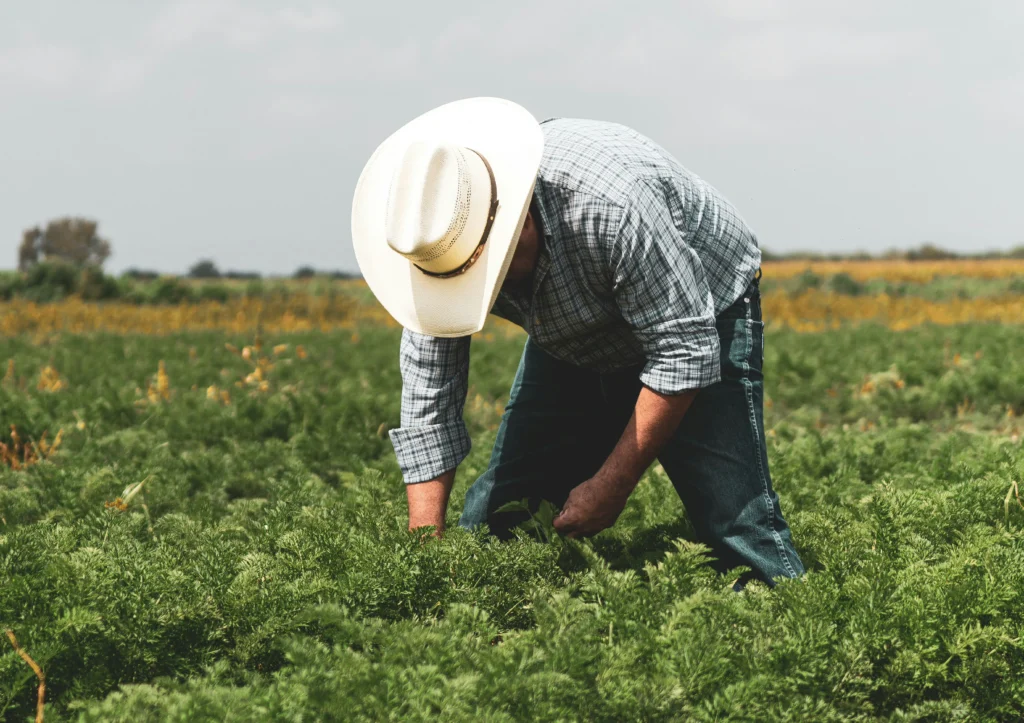
Direct to consumer farmers and ranchers sell on many platforms, including through local facebook groups, farmer’s markets and local co-ops, as well as their own company websites.
Buying directly from farmers and ranchers gives you the opportunity to support independent agricultural businesses who share similar values.
When it comes to agriculture and sustainability practices, they tend to be very transparent. They will either have this information easily accessible on their website, or offer a point of contact where you can ask them yourself and get an honest response. Some will even give you a tour of their operation if you request it.
Pasture-Raised Eggs
Sourcing pasture-raised eggs can be one of the best choices you make for you and your family. Not only are the chickens raised in a more regenerative way, but their eggs are far more nutrient dense.
You can find truly pasture-raised eggs at the farmer’s market and farm stands. Alternatively, you can look through local facebook groups to find homesteaders and local farmers who sell pasture-raised eggs through egg shares, hen and chicken shares, and co-ops.
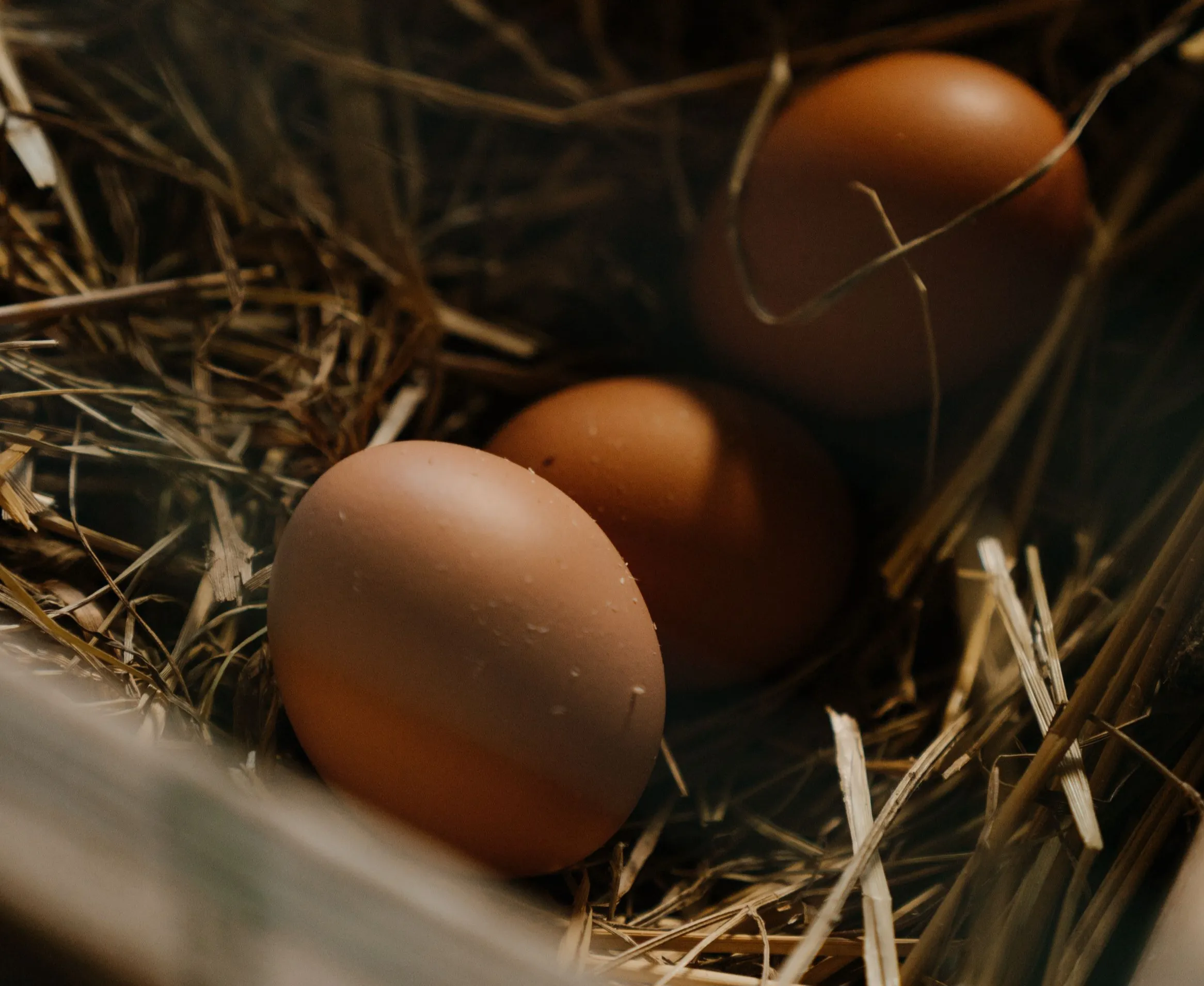
While the grocery stores typically offer “pasture-raised” eggs, the chickens who lay them are not pastured near as often as these companies would have you believe, and are typically fed a heavily GMO corn and soy based diet (or “organic” corn and soy, which isn’t much better), and the yolks of their eggs are often artificially dyed to give them the appearance of nutrient density, even though yolk color is not really a determining factor. All that said, they are still the best option out of all of the eggs offered at grocery stores.
Raw Milk
In states where it is legal to sell raw milk and raw dairy products, they can often be found at small local grocery stores, farm stands, farmers markets, through herdshares, local co-ops, or directly from individual homesteaders – often via word of mouth or local facebook groups.

Some people also choose to order raw milk online. This is typically more expensive, especially when shipping across state lines, which is common for those living in states where raw milk sales are restricted or illegal. Many of these online shops sell their raw dairy products as “pet food” due to legal reasons.
Herdshares as a Legal Workaround
If the sale of raw milk for human consumption is illegal in your state, a common workaround is joining a herdshare. A herdshare allows you to purchase ownership in a cow (or herd), similar to owning shares in a company. As an owner or co-owner, you are entitled to the milk produced by the animal you own.
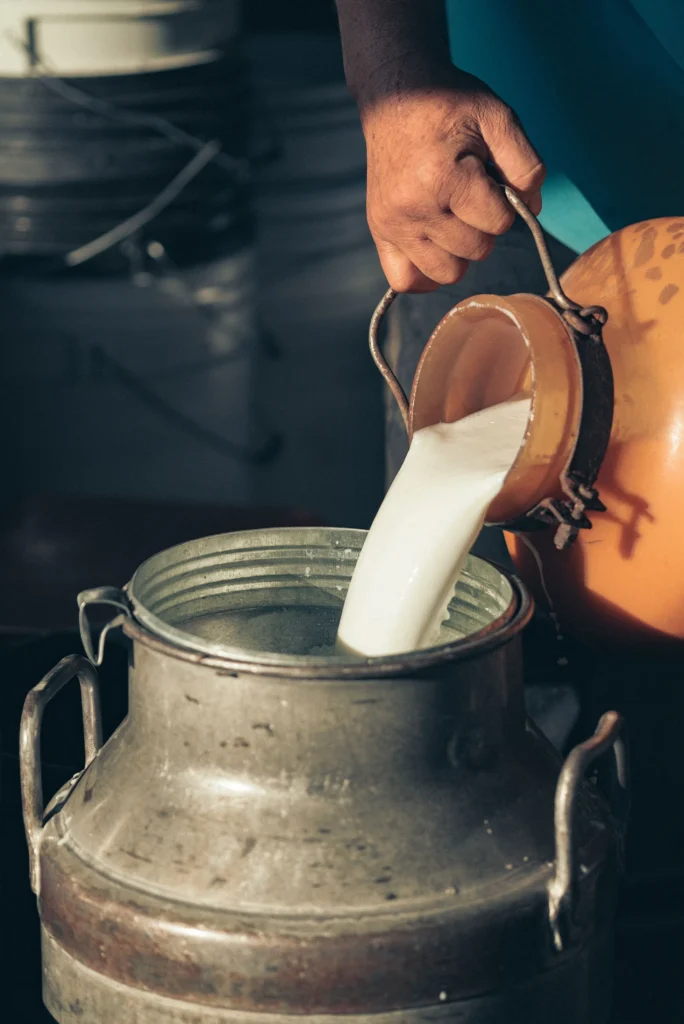
Because you are not purchasing milk directly, but rather receiving milk from an animal you own, herdshares are legal in many states where retail sales are not. However, members may not sell or distribute the milk or products made from it to non-owners.
For apartment dwellers, herdshares can be an especially practical option. Many programs also allow, and even encourage, members to participate in animal care or milking, offering a rare opportunity to learn how to care for a milk cow and handle fresh milk long before owning livestock of your own.
Not all raw milk is the same
Just as there are meaningful differences between pasture-raised and conventionally raised meat, there are also important differences in the quality of raw milk. Simply being “raw” does not automatically make milk healthier or easier to digest.
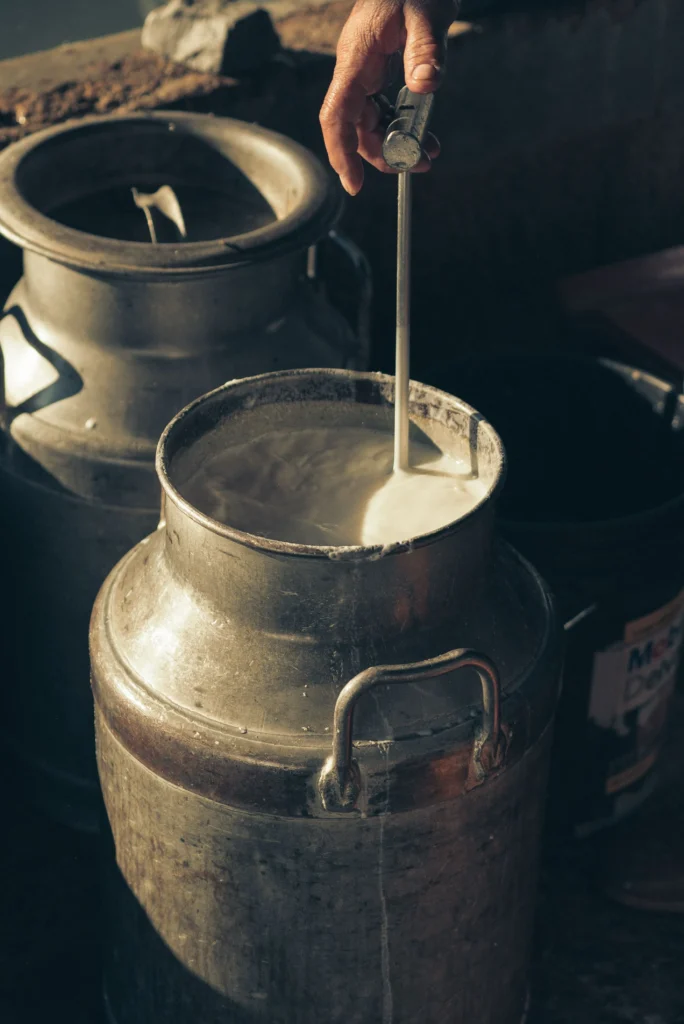
Most raw milk available today comes from dairy cows fed a primarily grain-based diet, often made up of wheat, corn, and soy. While some of this feed may be organic, it can still be difficult to find raw milk from cows fed a corn-and-soy-free diet, and even more difficult to find milk from cows raised entirely on pasture and hay without any grain supplementation.
For individuals who are highly sensitive to glyphosate and other chemical pesticides and fertilizers, as well as grain, corn, and soy, this can matter significantly.
Even if cows are only supplemented with a handful of grain before milking, this can be enough to irritate a weak gut if you are sensitive to those things.
Additionally, there is the difference in beta casein protein in the milk. Most cows in the US carry the A1A2 gene, which means they produce milk that is higher in sugars and obesogens, and consequently more difficult to digest.
Cows that carry the A2A2 beta casein genetics produce milk that is higher in fat and protein, and is overall much easier to digest. Many find that they are intolerant to A1 milk but can tolerate A2 milk perfectly fine.
If you and your family have dietary needs that require you to source both purely grass fed and A2A2 raw milk, then finding a herdshare or a local source of raw milk that meets those criteria can be very difficult. This is one of those cases when sourcing raw milk online may be a more sensible option.
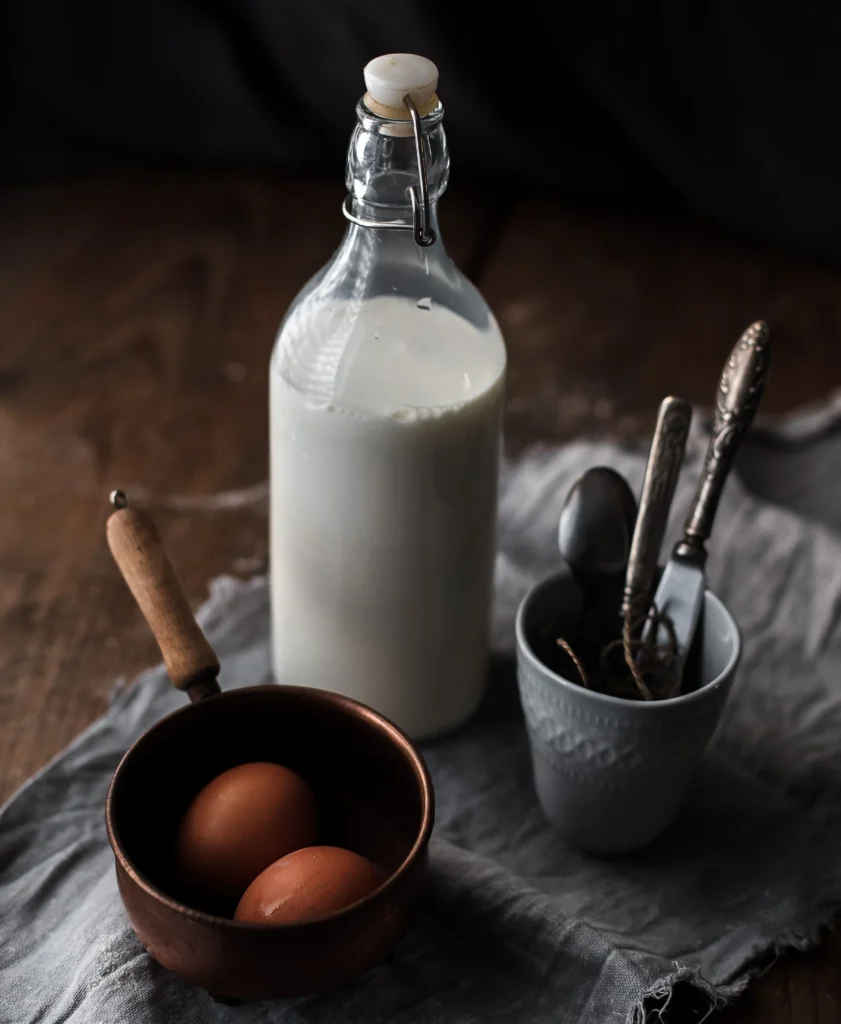
Typically, you can ask herdshare owners and raw milk suppliers about their feed and sustainability practices. If you have dietary restrictions that cause you to not only worry about what you eat, but what your food eats as well, then asking different raw milk suppliers those questions before joining a herdshare or purchasing raw milk is a good idea. I’ve found most people to be very transparent, though sometimes I’ve had to do a bit more digging to get more thorough answers.
Either way, making the financial sacrifice to source raw milk for your family is an investment in you and your family’s health and wellbeing.
Buy Produce in Bulk
A great way to provide food security for your family is to buy produce in bulk. This allows you to can, dehydrate, or freeze dry large amounts of food that will last for months, and even years to come, without having grown all of it yourself.
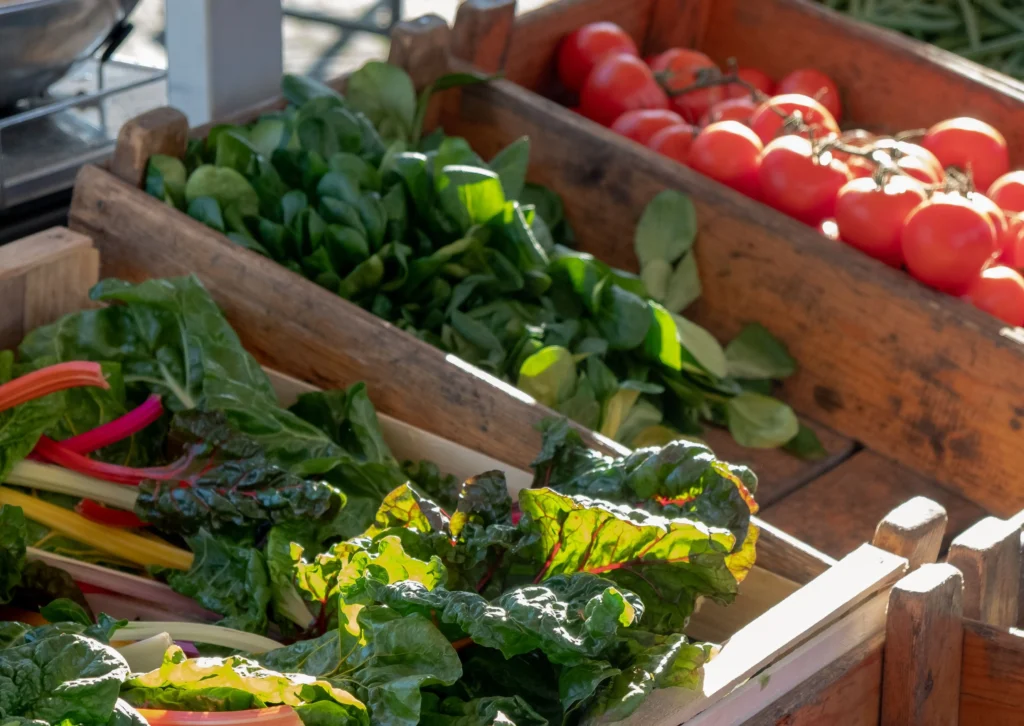
You can talk to local farmers directly at the farmer’s market or through local facebook groups to find out if they sell, and even offer discounts, for buying produce in bulk.
Buy Meat in Bulk
One way to save on meat, especially pasture raised or grass fed and finished, is to buy in bulk. Buying a quarter or half a cow, half a pig, or multiple whole chickens direct from farmers and ranchers, is typically more cost effective than buying it pound for pound for the same quality of meat.
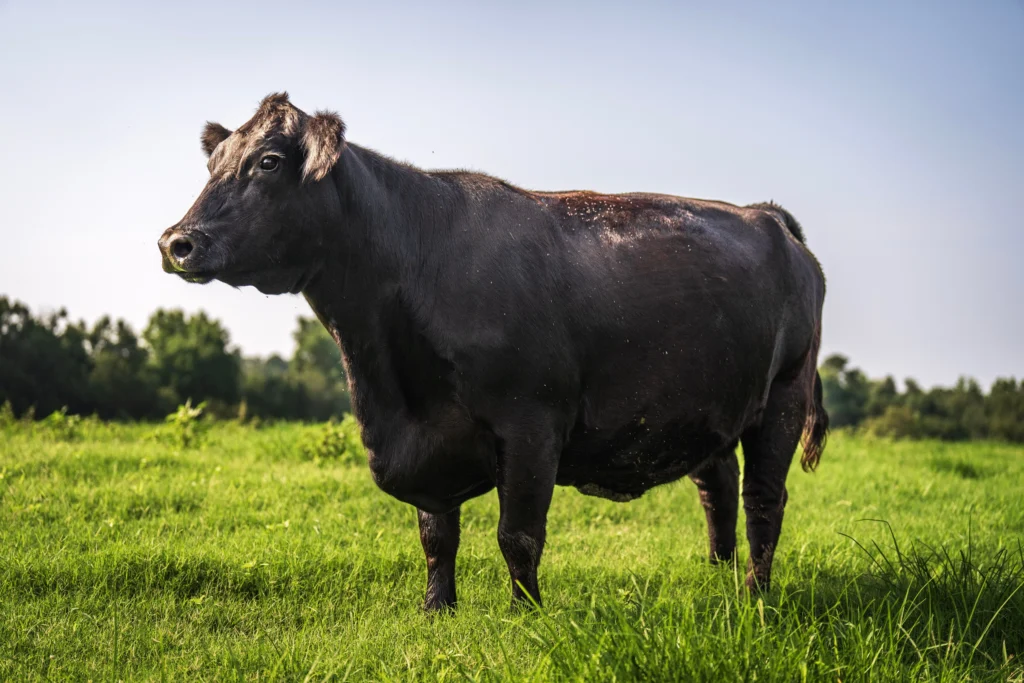
Storing large quantities of meat in an apartment can be a bit difficult, however, as long as you can fit a deep freezer in your apartment, you can buy meat in bulk to feed your family.
And yes, deep freezers can be a bit expensive, but you can often find them on facebook marketplace or craigslist in good condition and at a much more affordable price point than you would find at your local appliance shop, making it much more doable if you’re on a tight budget.
Source Wild Fish & Game
Sourcing wild fish and game – whether by hunting and fishing yourself or purchasing from local hunters and butcher shops – can be a powerful way to improve long-term food security.

Wild-caught and hunted proteins are often very nutrient-dense, free from industrial feed inputs, and can significantly reduce dependence on conventional grocery supply chains.
Buying vs. Hunting or Catching Your Own
If hunting or fishing isn’t accessible to you, some areas allow the purchase of wild game through licensed hunters, processors, or specialty butcher shops. Availability varies by state and species, and sales are typically regulated, so it’s important to understand local laws.
For those willing and able, harvesting your own fish and game provides a great level of control and connection to your food – but it does come with legal requirements and some upfront costs.
Legal Requirements
Before hunting or fishing, you’ll need to obtain the appropriate licenses and permits for your state. These are generally affordable and often discounted when renewed annually.

Keep in mind that it’s essential to hunt and fish only in designated areas, follow species-specific seasons and bag or tag limits, and carry your license with you at all times.
These regulations exist to protect wildlife populations and ensure ethical, sustainable hunting and fishing.
Equipment and Startup Costs
Fishing is one of the most accessible entry points into wild food sourcing. A basic rod and reel are often the largest investment, and many accessories—tackle, nets, and even gear—can be purchased secondhand in excellent condition.
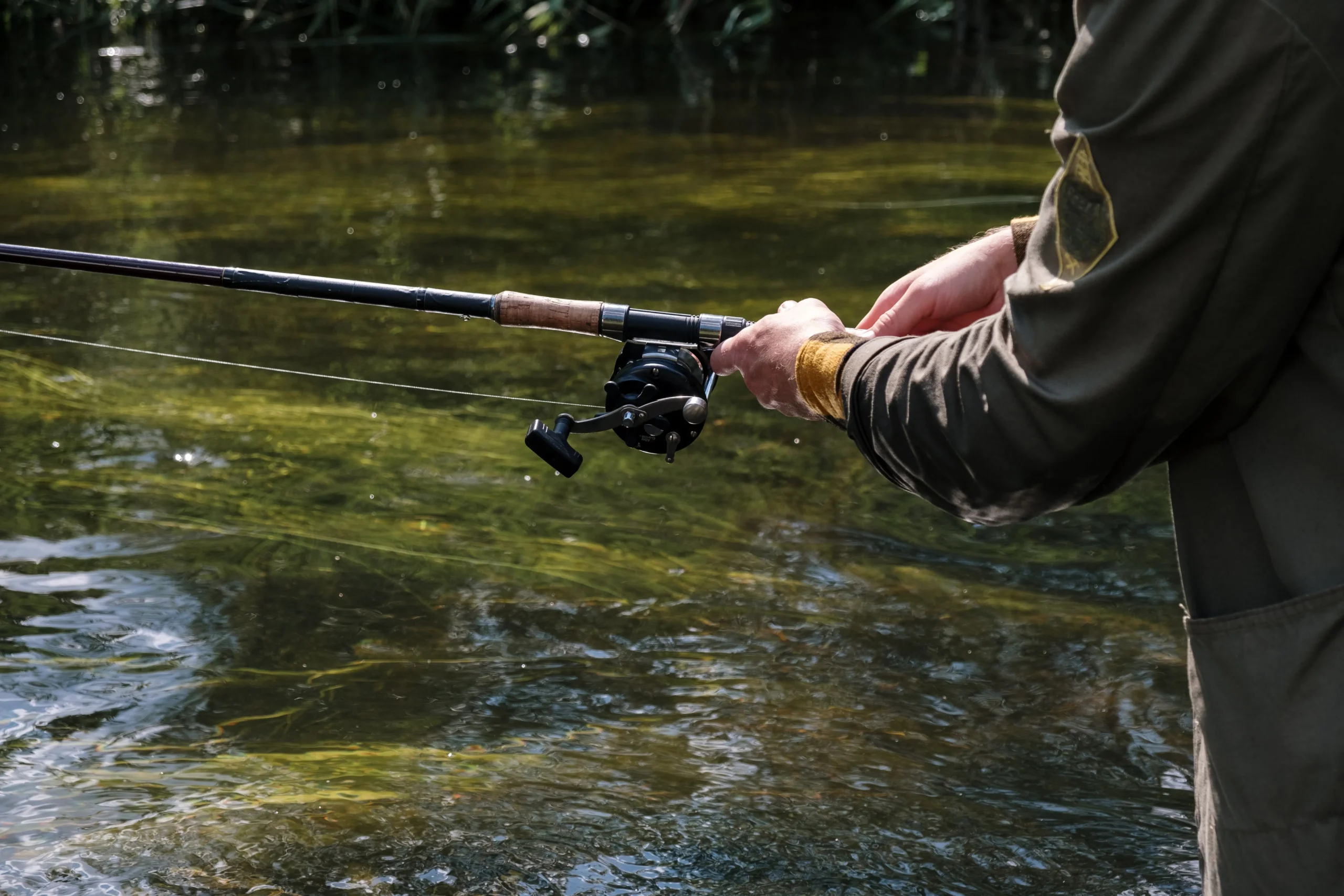
Boats and motors are optional depending on where and how you choose to fish. There may even be restrictions as to whether or not certain types of motors are allowed in a body of water. Boats and motors can be a bit more costly, but you can find them used on facebook marketplace, craigslist, or even in driveways with for sale signs.
Hunting typically requires a larger upfront investment, with the most significant cost being a firearm or bow. Rifles and shotguns can often be purchased used or refurbished through licensed dealers, sporting goods stores, or private sale by owner.

Beyond food security, many people view firearms as a long-term investment in both sustenance and personal protection. So long as you practice safe firearm handling and storage and are properly trained, owning a gun and exercising your 2nd amendment rights as an American citizen is one of the most responsible things you can do for your family in terms of protection and food security.
Processing and Butchering
Once you’ve successfully obtained your wild game, you’ll need to decide how it will be processed.
Butchering your own game allows you to retain full control over cleanliness, cuts, and storage, but it requires proper knives and equipment, adequate space, time, physical effort, and tolerance for the mess.

For apartment dwellers, this can be difficult without access to an outdoor workspace.
Because of this, many hunters living in apartments choose to hire a professional butcher or game processor, especially for larger game. While convenient, it’s important to ask questions beforehand. Some processors commingle meat from multiple animals, meaning you may not receive only the meat from the animal you hunted. If retaining your own meat matters to you, look for processors who guarantee single-animal processing.
Storage and Food Security
Wild fish and game are best stored in a deep freezer, vacuum-sealed or tightly wrapped to prevent freezer burn. Even a small chest freezer can hold a surprising amount of meat and significantly increase household food resilience.

When sourced and stored properly, wild game can provide months – or even a year’s worth – of high-quality protein, making it one of the most effective strategies for food security, even for those living in apartments.
Additionally, some wild game such as venison or elk can be dehydrated and made into jerky.
The Takeaway
Sourcing wild fish and game requires planning, education, and respect for local laws, but it offers unmatched transparency, nutrition, and resilience. Whether you fish occasionally, hunt seasonally, or purchase wild game locally, this approach can play a meaningful role in building a more secure and self-reliant food system.
Foraging
To forage means to gather. Foraging was a common way to source seasonal edible berries, herbs, mushrooms, nuts, and wild vegetables without intentional cultivation.
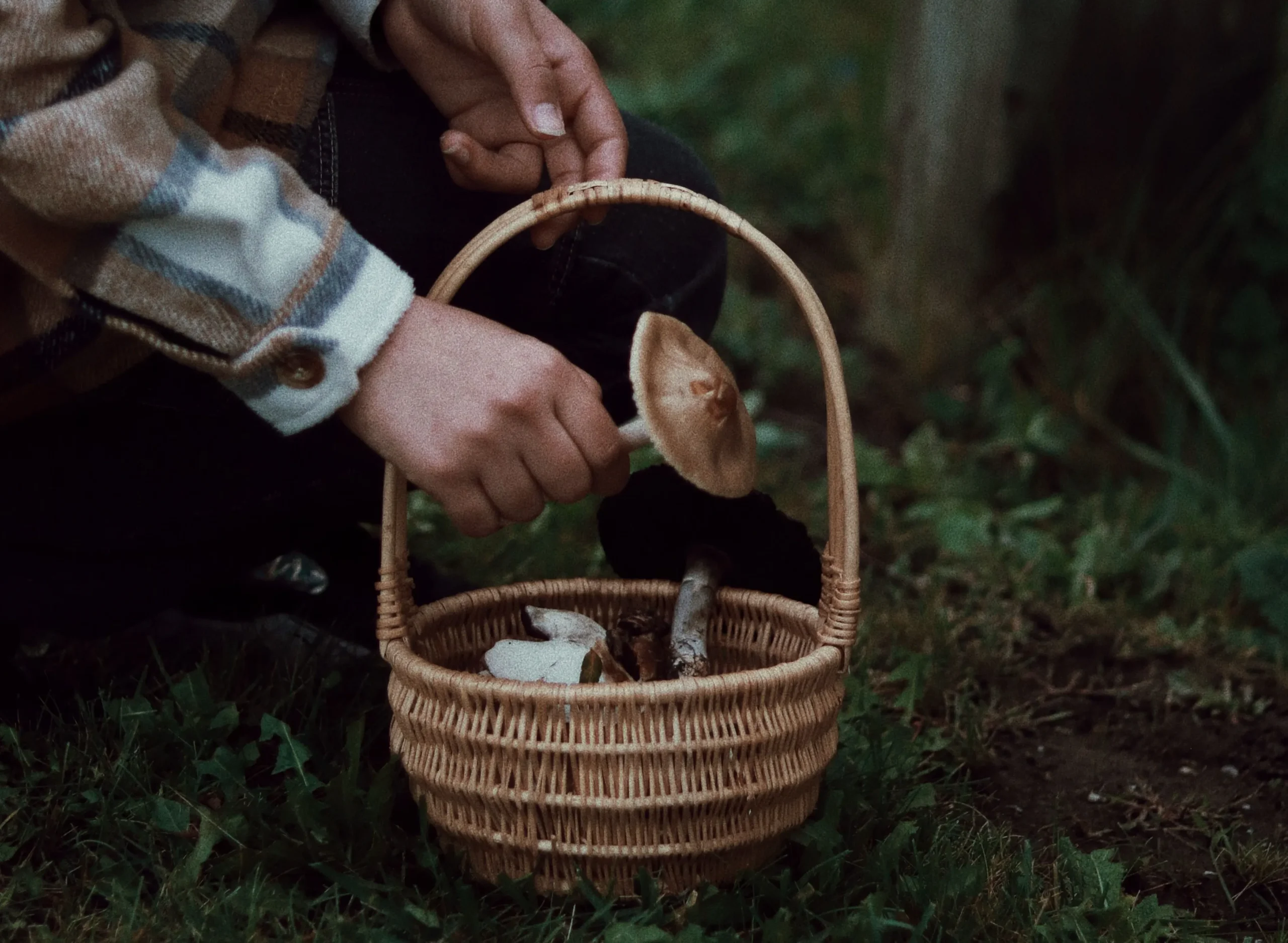
These are things that are growing in the woods, in ditches, near streams, and maybe even in your own backyard.
What is available to forage largely depends on your area, but some examples include wild, edible mushrooms, wild blackberries and raspberries, honeyberries, mulberries, elderberry, ground cherries, crab apples, hickory nuts, walnuts, pecans, asparagus, lamb’s quarters (nature’s Spinach), chamomile, dandelion, thyme, and countless other things.

Some foraged food is great for day to day cooking and canning, while other things like dandelion, chamomile, and elderberry are more medicinal and may be best used to make tea or tinctures.
Though this can be hit or miss, it is a great way to source seasonal foods that are local to you without incurring extra cost to buy them or grow them yourself.
That said, be careful where you forage. Roadways are very polluted and pesticides are often sprayed, and industrial agriculture uses chemical pesticides and fertilizers on their fields, which often transfer to nearby areas via wind and water runoff.
Food Preservation & Storage
Learning to preserve and store food now will help you to cut down on food waste and increase self sufficiency. Whether you plan to can or dehydrate food, or simply keep a freezer stocked with meat, how you choose to store and preserve food will go a long way in helping you to obtain more food independence.
Using the Whole Animal
When our ancestors hunted wild game or harvested their own livestock, they used the whole animal, and ate nose to tail.
This may have looked like tanning the hide or sending it to the tanner to turn into leather, saving the bones to make bone broth, and dry curing, smoking, or dehydrating meat to preserve throughout the winter and into the spring.
Whether you buy half a cow and eat nose to tail, cook a whole chicken, or hunt wild game, learning to prepare different cuts of meat well will help you to avoid food waste, enjoy a variety of nutrient dense meat, and build confidence in your ability to cook a wide range of meals.
Fermenting, Canning, & Curing at Home
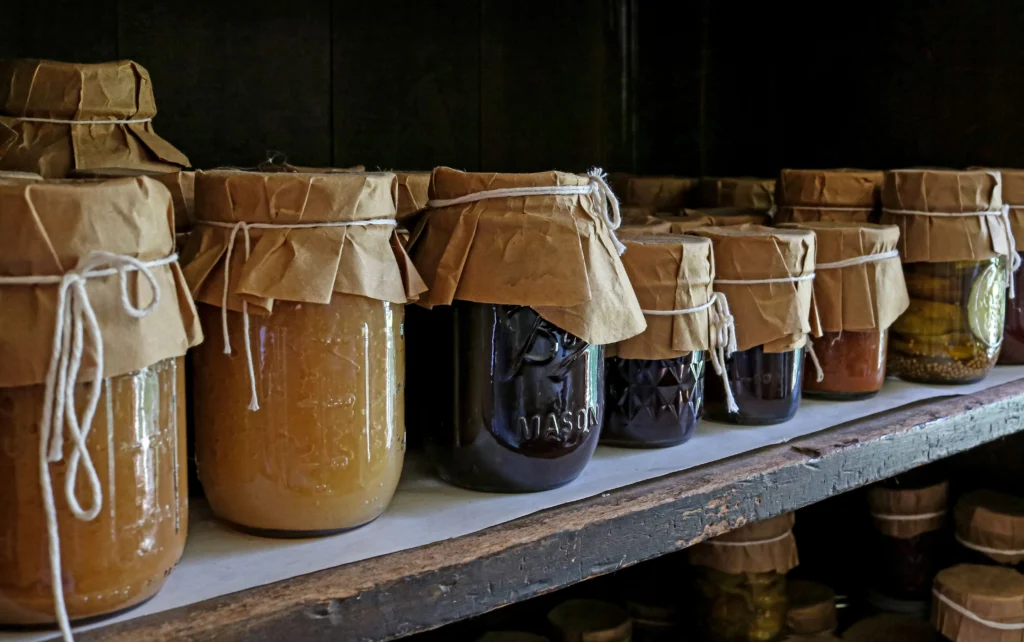
Traditional food preservation methods include fermenting, canning, and curing. Often, produce was either water canned or fermented, while meat was either salt or smoke cured at home.
Vegetables were typically fermented in a salt brine solution and left for a few days at room temperature to ferment before being moved to a cold, dark place, like a root cellar.

Curing food simply means to make it shelf stable by drying. Whether it’s braiding and drying garlic or onion stalks together, or salt curing, dehydrating, or smoking meat, curing is a tried and true food preservation method that has been used throughout the centuries.
Storage Solutions for Small Spaces
When it comes to storing food in an apartment, sometimes you have to get creative. Eventually, the kitchen cupboards and the freezer at the top of your fridge are going to be full and you might need to find other solutions.
Freezer
The biggest thing is going to be getting a deep freezer. This will allow you to store so much more meat than you could in that small one in your refrigerator. They come in multiple sizes, and you can even buy an upright freezer to save floor space.
Shelving
Next, shelving. Let’s say your kitchen cabinets are full. Could there be space made in those cabinets if you bought some wire racks or storage solutions for inside the cabinets? Do you have any empty or partially empty closets? Is there space to put a wire shelving unit anywhere in your apartment?
If you want to avoid a wire shelving unit because it’s an eyesore, then consider buying a used wooden armoire (wardrobe) to store canned or dehydrated goods.
Under Bed Storage
Another way to store shelf stable food is under the bed. Most people choose to slide boxes of canned and dehydrated food in the space under their bed depending on the height of their bedframe.
I’ve even seen people store food in boxes and then use the boxes in place of a bedframe or box spring. They just place the mattress on top of the stacked boxes and hide them with a bedskirt.
Homesteading Beyond Food: Supporting Skills
Homesteading has always included making, repairing, and stewarding – not just growing and raising food.
Developing skills beyond food preparation and preservation can go a long way in rounding out your homesteading skills.
Though you may not be able to store or invest in the equipment to do many of these things, there are still ways to acquire these skills even as an apartment homesteader.
Sewing & Mending
Whether you simply intend to learn some basic mending, or to grow your skill level to that of an experienced seamstress or pattern designer, sewing is a versatile and useful skill that everyone should learn.
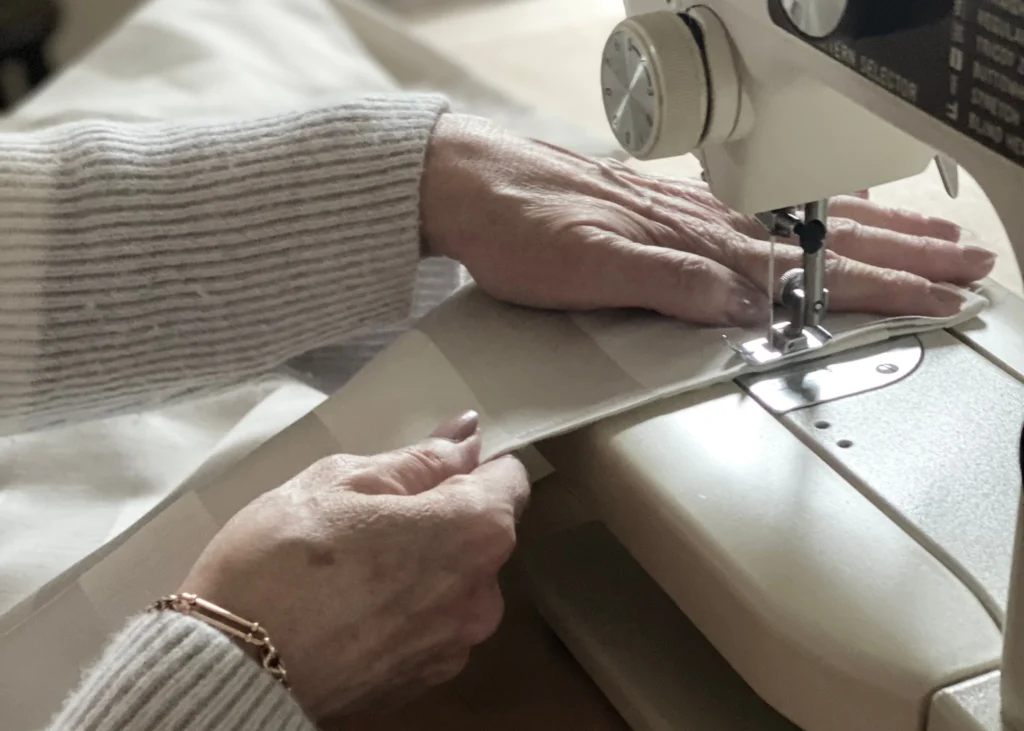
Mending is the simplest and most affordable form of sewing to start with as it requires minimal equipment. A simple needle and thread will suffice, and possibly a thimble and needle threader if you find it necessary. Learning to hand mend your own clothes is a very useful skill to have. If you know how to mend small tears or sew on a button, you can give your clothes new life when you otherwise would have thrown them out. This cuts down on waste and keeps you from getting caught up in consumerism. This is a part of stewarding well over what you have.
If you choose to invest in a sewing machine, even a basic one, then so many doors are opened up to you. You can make simple things like pillow cases, curtains, table cloths, pillow covers, and aprons, get into quilting, or even sew your own clothes. This can actually be very cost effective, especially if you intend to switch your wardrobe to natural fibers without the steep price tag of buying natural fiber clothes ready made. In my experience, I’ve found making clothing to be less expensive than buying when it comes to building a wardrobe that is made of natural and organic fibers like linen, wool, organic cotton, or minimally processed silk.
Quilting
Learning to quilt is a great way to use up fabric scraps. Whether hand tied, hand stitched, or machine quilted, quilting can be very therapeutic and fun to learn.

A quilt can be a fun project that will give warmth to you and loved ones for years to come. Quilts are always nice to have on hand during the colder months, and they make great gifts.
Fiber Arts
Fiber arts have always been a core part of homesteading. Long before industrial manufacturing, families relied on their own hands—and their community—to produce clothing, blankets, and household goods. These skills were not just hobbies; they were essential forms of self-reliance, creativity, and stewardship.
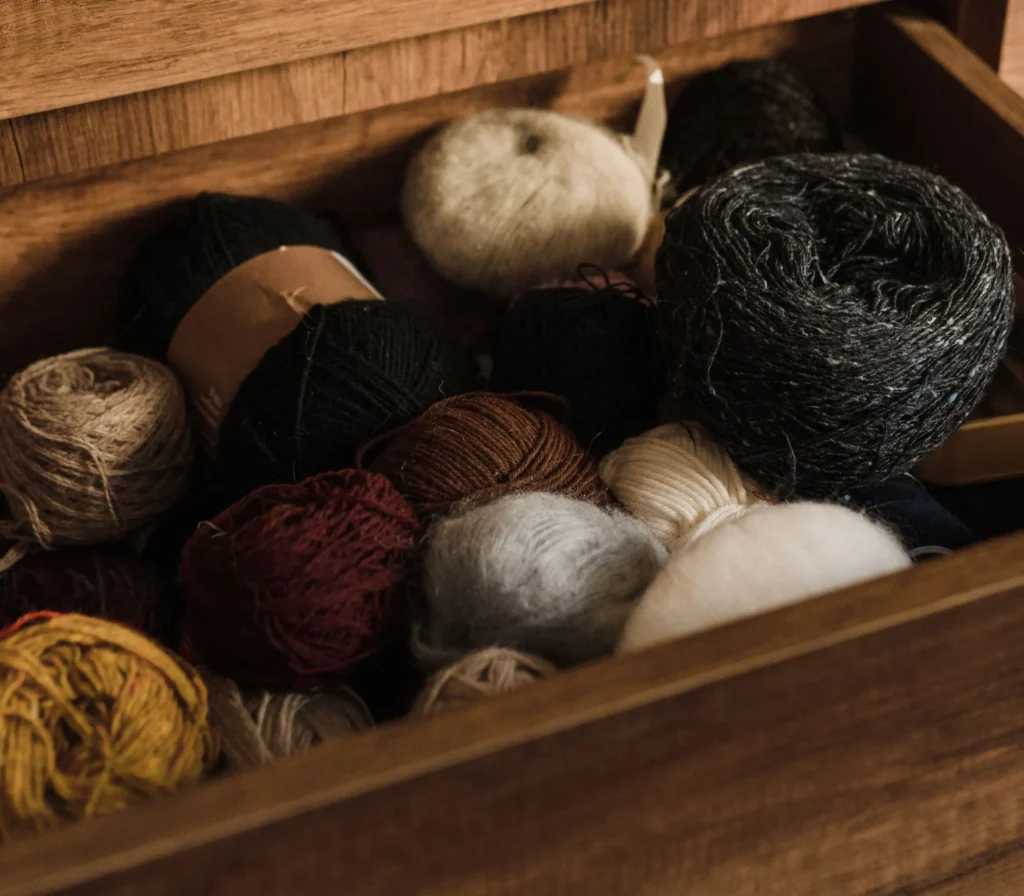
Learning fiber arts in an apartment is not only possible, it’s deeply practical. Most of these skills require minimal space, simple tools, and can be done quietly in your down time during the evenings or slow weekends.
Crochet
Crochet is one of the simplest fiber arts to learn because it requires only one hook and a ball of yarn. It’s portable, beginner-friendly, and perfect for apartment living.
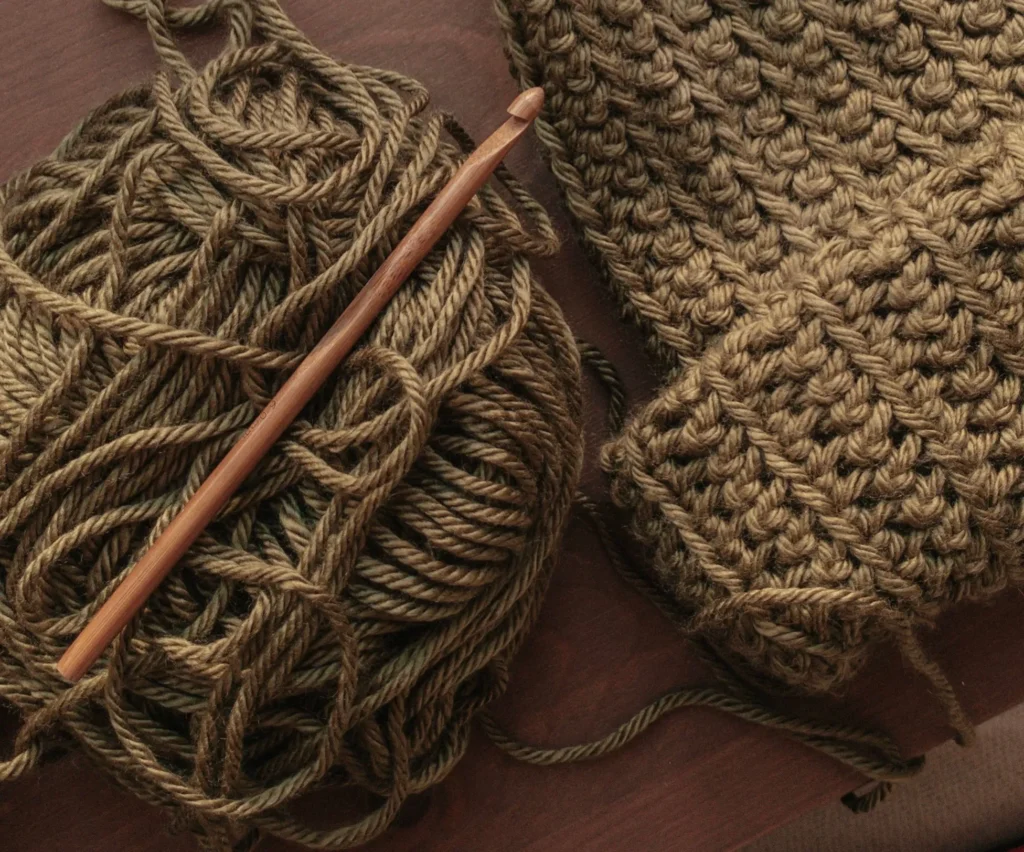
Some of the practical applications for crochet include dishcloths, blankets and throws, hats, scarves, and amigurumi toys.
Crochet is forgiving—if you make a mistake, you simply pull the yarn and try again. It’s an excellent entry point for anyone wanting to build confidence with fiber arts.
Knitting
Knitting uses two needles instead of one hook, creating a more flexible and structured fabric. It’s ideal for garments and items that need more stretch or drape.

Some practical items you can knit include hats and mittens, scarves, sweaters, baby clothes, and socks.
Knitting is slower than crochet, but the results are often more refined. Many homesteaders knit their own winter gear, saving money while producing higher-quality items than store-bought.
Embroidery
Embroidery is the art of decorating fabric with thread. It requires very little space and minimal tools—just a needle, thread, and a hoop.

Embroidery is a great way to customize personal items including clothing, bags, pillow covers, quilts, towels, and so much more.
Embroidery is also a practical homesteading skill because it allows you to mend clothing beautifully, turning repairs into intentional design.
Cross Stitch
Cross stitch is a counted-thread embroidery technique that uses small X-shaped stitches to create patterns or pictures.

It’s a relaxing, meditative craft that’s perfect for evenings or quiet moments.
Fiber Spinning
Fiber spinning is the process of turning raw fiber—such as wool, alpaca, or plant fibers—into yarn. While traditional spinning wheels are large, apartment homesteaders can easily use a drop spindle, which is small, quiet, and inexpensive.
Spinning your own yarn is incredibly empowering. It allows you to create textiles from scratch and gives you full control over thickness, texture, and fiber content.
Natural Dyeing
Natural dyeing uses plants, roots, bark, flowers, and even kitchen scraps to color fabric and yarn. It’s one of the most ancient homesteading skills and can be done entirely in an apartment kitchen.
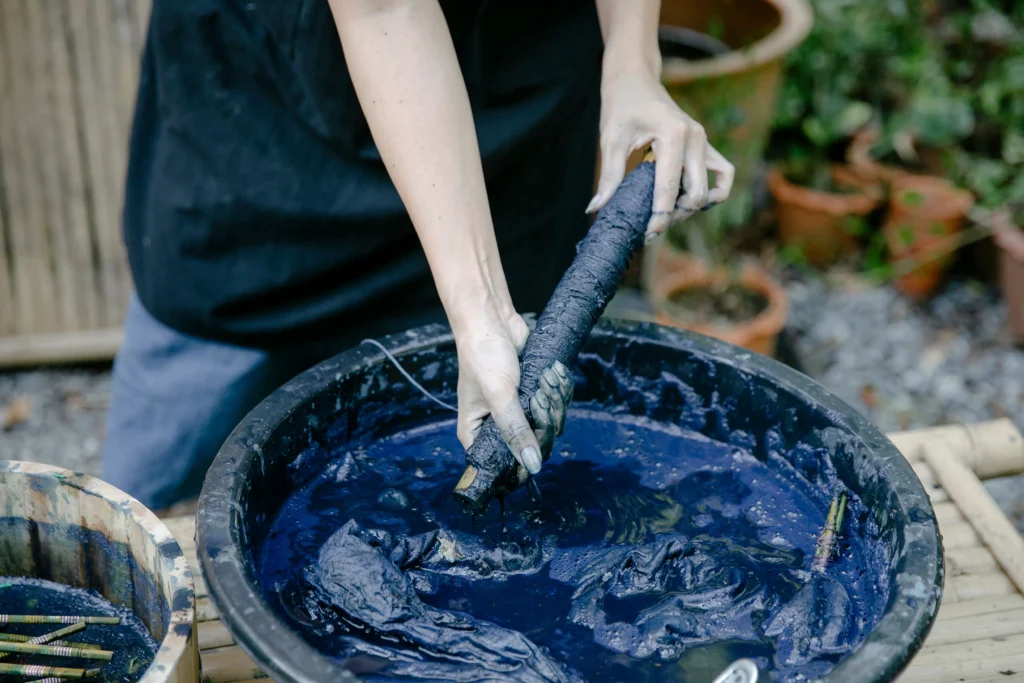
Many people dye fabric or yarn with leaves, acorns, onion skins, avocado skins, black beans, turmeric, or flowers.
Basket Weaving
Basket weaving is one of the oldest homesteading crafts. Baskets are used for storage, harvesting, carrying goods, and even food preparation. You can use many different materials such as reed, rattan, rope, twine, and even recycled paper.

Not only are they practical, they are also aesthetically pleasing. Baskets are a great way to store things that look like they don’t belong.
Leather Work
Leather work is a traditional skill used to make durable goods that last decades. While full leather shops require space, apartment homesteaders can start with small projects and simple tools.

Some practical things you can make with leather include journal covers, bags, wallets, knife sheaths, belts, clothes, simple shoes, and even outdoor gear.
There are many leather working skills you can learn, including embossing, sewing, and tanning.
Carpentry
Carpentry may seem out of reach in an apartment, but foundational skills can absolutely be learned without a workshop. Many homesteaders begin with small, quiet, hand‑tool projects.

You can take up whittling, make simple shelves for storage, carve wooden bowls and utensils, or even make some simple furniture like a stool or chair.
Pottery & Ceramics
Pottery is one of the oldest homesteading skills. It’s used to create cups, bowls, plates, fermentation crocks, and cooking vessels.

Even if you don’t have a kiln, you can learn shaping, sculpting, and design at home, then fire your pieces at a local studio, or learn to cure rough clay pottery over hot coals.
Cultivating Community from your Apartment Homestead
Community turns individual effort into sustainable practice.
Apartment homesteading doesn’t mean doing everything alone – it means connecting with local farmers and fellow homesteaders and becoming part of a local food and skills ecosystem.
There are many ways to approach this, and you don’t need to do all of them. Choose the connections that make sense for your season of life and your location.
Join and Support Local Co-ops
Co-ops are a great way to access shared resources, learn from others, and support local producers. Whether it’s a food co-op or tool library, participating strengthens your connection to the broader community.
Join Local Facebook Groups
Online groups are a low-pressure way to meet like-minded people, ask questions, and share tips. Many virtual communities also organize in-person meetups, workshops, or skill-sharing events.
Get to Know Your Farmers
Building relationships with local farmers allows you to source high-quality food directly, ask questions about production methods, and sometimes even share labor or equipment. These connections can become a trusted part of your food ecosystem.
Connect with Fellow Homesteaders
Meeting other apartment or urban homesteaders helps normalize the lifestyle and provide encouragement. Swap ideas, share successes and failures, and inspire one another to keep learning.
Participate in Skill Swaps
Skill swaps are mutually beneficial and cost-effective ways to learn new techniques—from canning to carpentry—while helping others in return. They turn isolated skills into shared community knowledge.
Start or Get Involved in a Community Garden
Community gardens offer hands-on experience with growing food, composting, and garden management. They’re also social spaces where you can trade produce, seeds, and techniques with neighbors.
Buying Directly from Local Producers
Buying from farmstands or direct-to-consumer farms strengthens your local food network and ensures your dollars support sustainable practices. It often opens doors to mentorship and learning opportunities with farmers as well.
Sharing Equipment & Resources
Many homesteading tools are expensive or bulky, but sharing makes them accessible to everyone. Examples include mills, canners, freeze dryers, dehydrators, and meat grinders, which can be rotated among neighbors or co-op members.
Start Where You Are
Building skills and self reliance now is such a wise decision. Better to learn now where you are than to feel overwhelmed or even regretful once you get to your own plot of land in the middle of nowhere.
Imagine buying land and feeling the pressure build as you go through all of the learning curves at once. That can be avoided if you choose to learn some of these skills now, while you don’t absolutely need to rely on them.
One day you will finally have that piece of land you’ve been dreaming about, and you’ll actually be ready for it. When things go wrong on the homestead, and they will, instead of feeling totally overwhelmed, you will be able to take those challenges on the chin because you already have experience learning to do hard things, and some of those skills you learned while living in an apartment might just be the very solution you need.

Homesteading isn’t about where you live. It’s about how you live.
May you build skills that sustain — wherever you are.
Katherine